Bespoke fitted furniture UK: made-to-measure joinery explained
Bespoke fitted furniture means made-to-measure joinery built for a particular room, wall or architectural feature so every millimetre is put to work for storage, seating or display. This guide explains how custom fitted furniture is planned and manufactured, why it usually outperforms freestanding pieces in awkward or compact spaces, and which materials and finishes suit different rooms. You’ll find typical cost ranges, the main factors that affect price, and a clear step‑by‑step walkthrough from initial consultation to final installation. Practical examples cover fitted wardrobes, bookcases and alcove units, home‑office solutions and kitchen joinery, with straightforward guidance on choosing oak, painted MDF or plywood for long‑term performance. We also reference established UK joinery practice and local delivery options in Yorkshire — including Barnsley, York and Selby — so you can see how bespoke solutions are specified, quoted and installed. Read on to compare materials, weigh the benefits and get clear next steps for a free, no‑obligation quotation.
What is bespoke fitted furniture and what are the benefits in the UK?
Bespoke fitted furniture is custom joinery measured and fixed to the building to create seamless, tailored storage and furniture. The process begins with precise site measurements, followed by internal layouts designed around how you use the space, then manufacture of components that fit irregular walls, alcoves, under‑stair voids and sloping ceilings. The outcome is maximised usable volume, a coordinated look and better long‑term value because quality joinery and durable materials outlast mass‑produced freestanding items. Increasingly, homeowners and businesses prefer solutions that optimise space and last longer rather than replace cheap furniture regularly — making bespoke joinery a practical investment.
Bespoke fitted furniture offers several practical advantages:
- Maximised space: units are made to measure so gaps are eliminated and vertical space is used efficiently.
- Custom storage: organisers, drawers and rails are specified for the items you actually own and how you use them.
- Unified appearance: door styles and finishes can be matched to the room for a cohesive result.
- Durability: quality materials and craftsmanship reduce the need for frequent replacement.
- Potential uplift in value: well‑specified fitted storage can enhance buyer perception at resale.
These benefits matter most in awkward layouts and high‑use rooms where durability and practicality are priorities. For homeowners looking for a reliable local craftsman, JDS Property Maintenance and Development provides skilled woodworking and made‑to‑measure fitted furniture across the UK, focusing on natural materials, careful installation and a free, no‑obligation quote to help you plan with confidence.
How does custom made furniture maximise your space?
Custom furniture increases usable space by matching internal layout and storage volume exactly to your needs and the room’s geometry. Designers begin by mapping dimensions and movement, then position shelving, drawers and hanging zones where they will be most useful; this targeted planning yields more usable capacity than generic pieces. Vertical runs, shallow shelving and hidden storage make the most of alcoves, chimney breasts and knee walls. Well‑chosen internal fittings — stacked drawers, pull‑out trays and compartment organisers — boost capacity without enlarging the visual footprint.
A measurement‑led design also considers how you access items, placing frequently used things at comfortable heights and seasonal items higher up. Converting an under‑stair void into pull‑out storage or fitting a compact study nook preserves floor area while adding function. Understanding real‑world use drives design choices and explains why bespoke fitted furniture usually beats off‑the‑shelf options in irregular rooms.
Why choose bespoke fitted furniture over freestanding pieces?
Bespoke fitted furniture outperforms freestanding options because it removes wasted gaps, allows tailored internal organisation and ties into the room’s architecture for a seamless finish. Freestanding units often leave awkward voids, limit layout flexibility and force compromises on storage type and capacity. Bespoke joinery can match door profiles, paint colours or timber grain to existing finishes so the installation reads as part of the building rather than an add‑on. High‑quality joinery also uses better materials and fittings that extend lifespan, reducing lifetime replacement costs and delivering stronger value.
While freestanding furniture focuses on short‑term convenience, bespoke systems prioritise lasting functionality and efficient use of space. That makes fitted joinery the best choice for awkward rooms, multi‑use areas and properties where visual continuity and durability matter — and it leads naturally into the cost and installation considerations covered below.
How much does bespoke fitted furniture cost in the UK?
Costs vary because every project is unique — size, materials, complexity and internal fittings all affect price — but typical ranges help set expectations. Small fitted wardrobes or single alcove units often start in the lower hundreds to low thousands of pounds, while full bedroom runs or bespoke kitchen joinery sit higher depending on specification. Major cost drivers are material choice (solid oak versus painted MDF), design complexity (curves, seating, integrated lighting), the number of internal fittings (drawers, shoe racks, organisers) and site access or installation difficulty. Knowing these variables helps you plan a realistic budget and compare quotes effectively.
The table below gives a simple comparison of common furniture types, the attributes that matter and indicative notes on cost to illustrate how specification changes price.
| Furniture Type | Key Attributes | Indicative Price Range / Notes |
|---|---|---|
| Fitted wardrobe (single) | Size, door style, internal fittings | Typically starts from several hundred to a few thousand pounds depending on materials |
| Alcove unit / bookcase | Width, depth, shelving vs cupboards, integrated seating | Small alcove shelving is lower cost; integrated seating or curves increase the price |
| Kitchen joinery (run) | Length, carcass material, door finish, appliance integration | Full kitchen joinery is a higher cost due to carcasses and appliance allowances |
This table shows that size and specification — not a single fixed fee — determine cost. Use these examples to ask focused questions when comparing quotes. The next section outlines the main factors that appear on any accurate estimate.
What factors influence the price of made‑to‑measure furniture?
Material choice, design complexity, internal fittings, hardware quality and access for installation are the main elements that determine final cost. Solid oak and premium hardware demand a higher up‑front investment but offer superior durability and the potential for future refinishing; painted MDF is a cost‑effective option with a smooth painted finish suited to contemporary schemes. Complex features — curved units, seating, bespoke lighting — add design and manufacturing time and therefore increase labour and tooling costs. Site factors such as tight access, required remedial work or uneven walls also lengthen installation time and add to the price.
Balancing these drivers helps you weigh upfront cost against long‑term value. The concise list below helps when evaluating quotes and specifications.
- Material grade and type influence both cost and lifespan.
- Design complexity, including bespoke features and finishes, raises labour and time.
- Internal fittings and hardware choices affect material and assembly costs.
- Site access and any remedial work increase installation time and on‑site labour.
With these elements understood, you’re ready to request an accurate, free quotation from a reputable supplier — explained next.
How to get a free bespoke fitted furniture quotation from JDS Property?
To request a free bespoke fitted furniture quotation from JDS Property Maintenance and Development, start with a short description of the room, rough dimensions and your main goals; this begins their no‑obligation process. Expect an on‑site survey where precise measurements are taken, the brief is refined and design options are discussed. After the survey you’ll receive a written proposal that sets out materials, finishes, internal fittings and a clear price estimate. JDS Property provides free, no‑obligation quotations to help clients plan projects with confidence, and proposals normally include timelines and next steps.
To speed the design process and improve accuracy, prepare inspiration images, a list of priority items for storage and note any constraints such as sloping ceilings or existing services. This practical readiness helps the designer produce a reliable quote and move to manufacture and installation when you’re ready.
Which types of bespoke fitted furniture can transform your home or business?
Bespoke fitted solutions include fitted wardrobes, bookcases and alcove units, home‑office furniture, kitchen joinery and seating with integrated storage — each tailored to room function and user needs. The right choice depends on primary function (storage, display, workspace), room constraints and desired finish. Well‑specified joinery turns awkward spaces into useful features, while internal fittings keep items accessible and organised. The table below summarises common types, their main purpose and where they work best.
| Piece Type | Primary Function | Ideal Location / Benefit |
|---|---|---|
| Fitted wardrobes | Maximised clothing storage | Bedrooms: full‑height runs increase capacity and organisation |
| Bookcases / alcove units | Display plus concealed storage | Living rooms and studies: blend open shelving with cupboards |
| Home office furniture | Dedicated workspace with cable management | Spare rooms or bespoke cupboards: designed for productivity |
| Kitchen joinery | Bespoke storage for appliances and cookware | Kitchens: optimise appliance integration and storage layout |
Use this comparison to prioritise which fitted solution suits your space and objectives. The sections that follow cover specific categories and practical design choices in more detail.
What are the benefits of fitted wardrobes for bedroom storage?
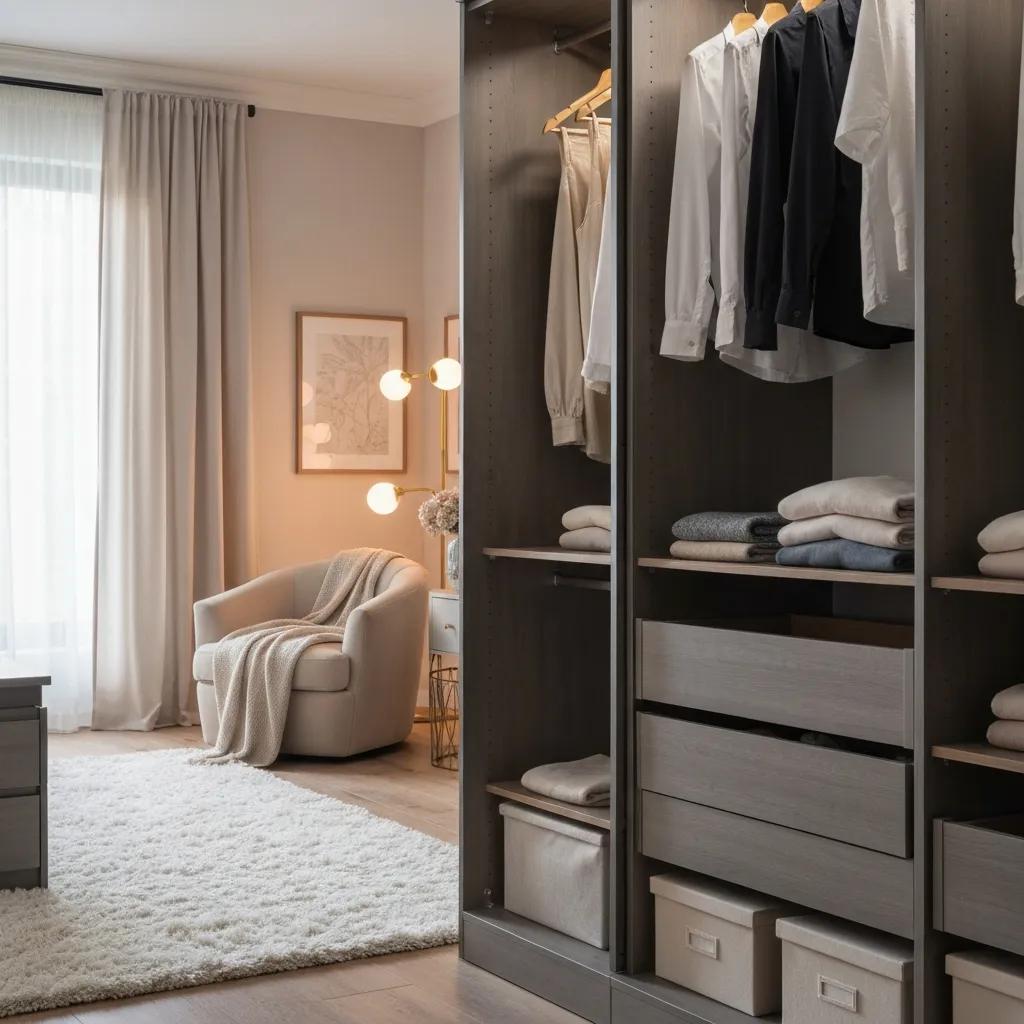
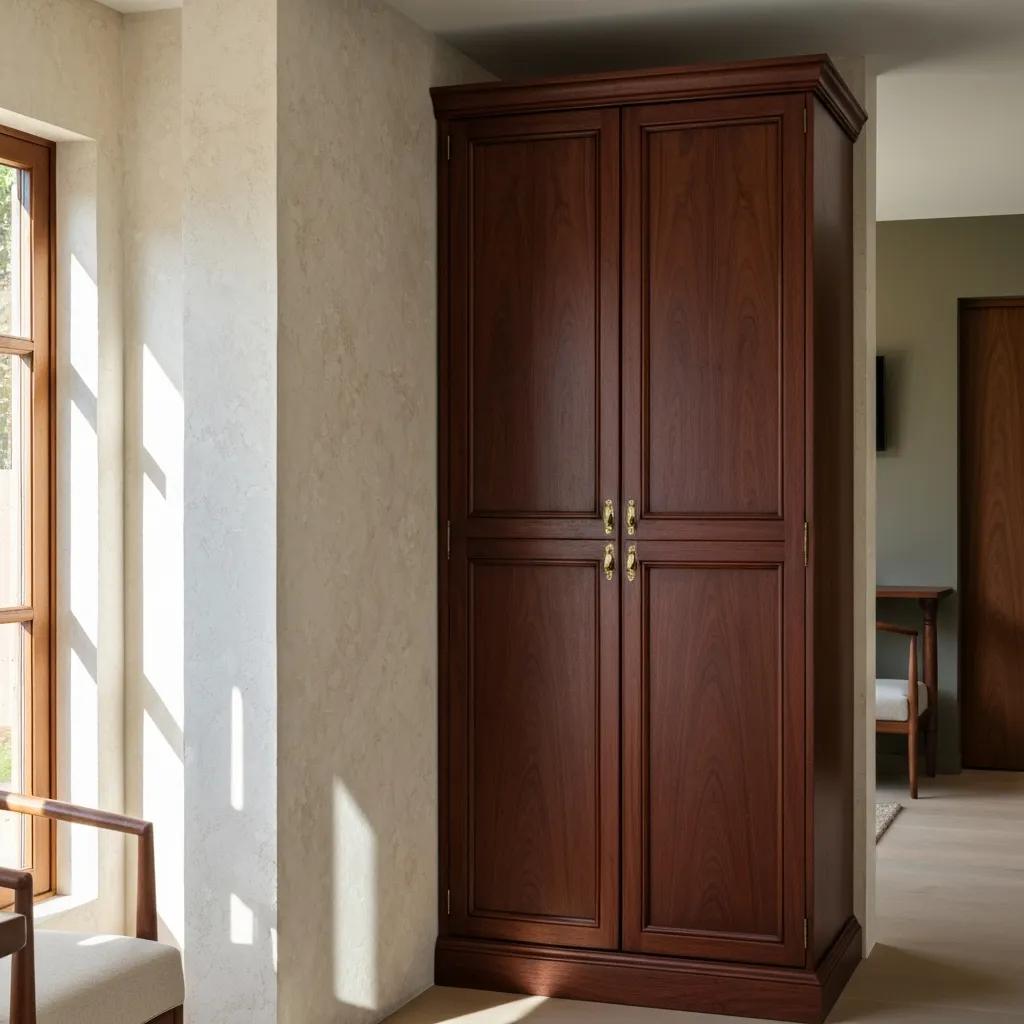
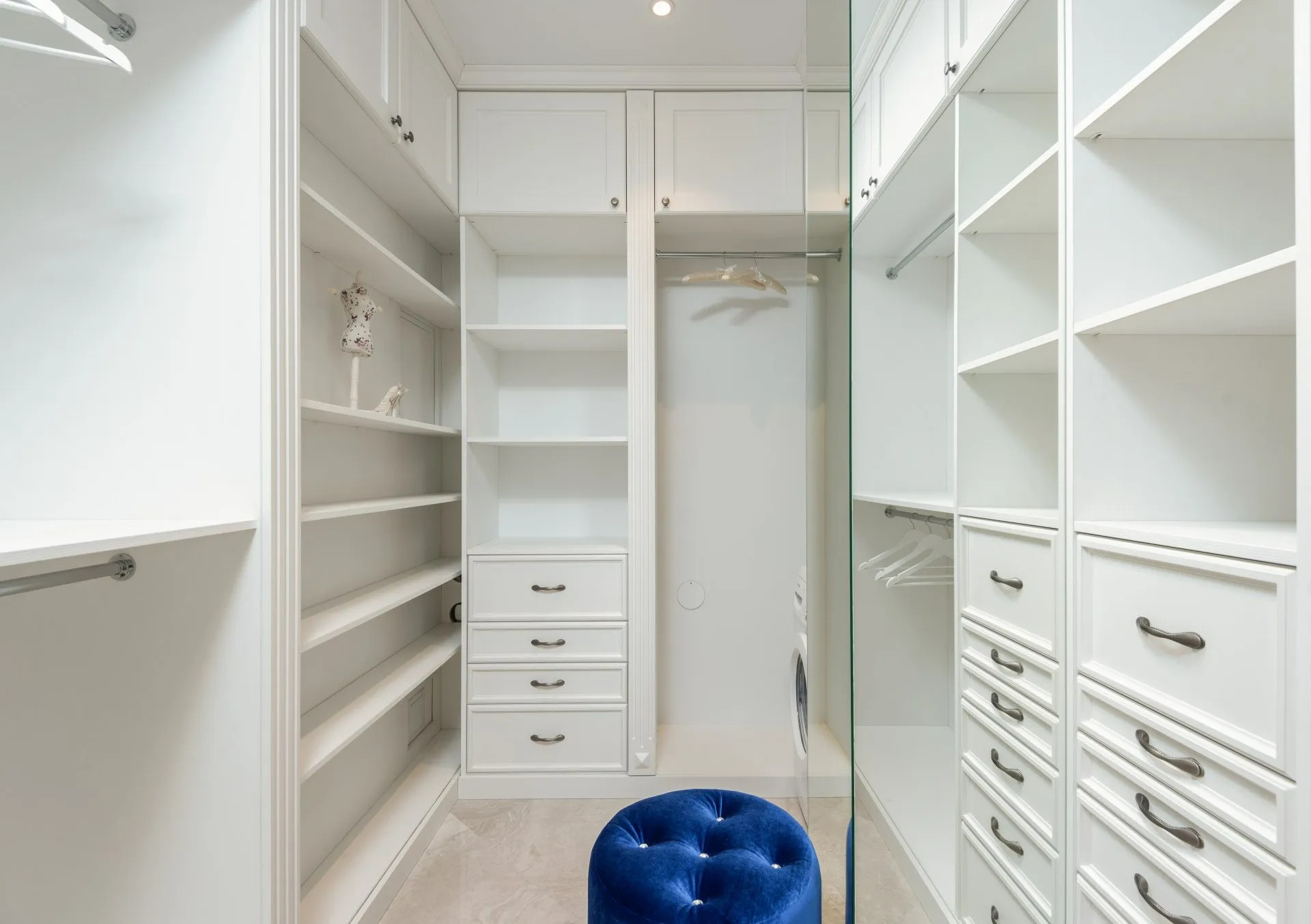
Fitted wardrobes give efficient, organised clothing storage by matching hanging space, shelving and drawers to the occupant’s needs and the room’s layout. Designers specify internal organisers — shoe racks, full‑extension drawers and adjustable shelving — to reduce clutter and make daily routines easier. Sliding doors save floor space in smaller rooms, while hinged doors can offer fuller access in larger bedrooms. The overall result is a neater visual profile and far better usability than a collection of mismatched freestanding units.
A carefully specified wardrobe also considers ventilation, lighting and future adaptability so the installation performs well over time and complements the bedroom design while maximising usable volume.
How do custom bookcases and alcove units enhance your living space?
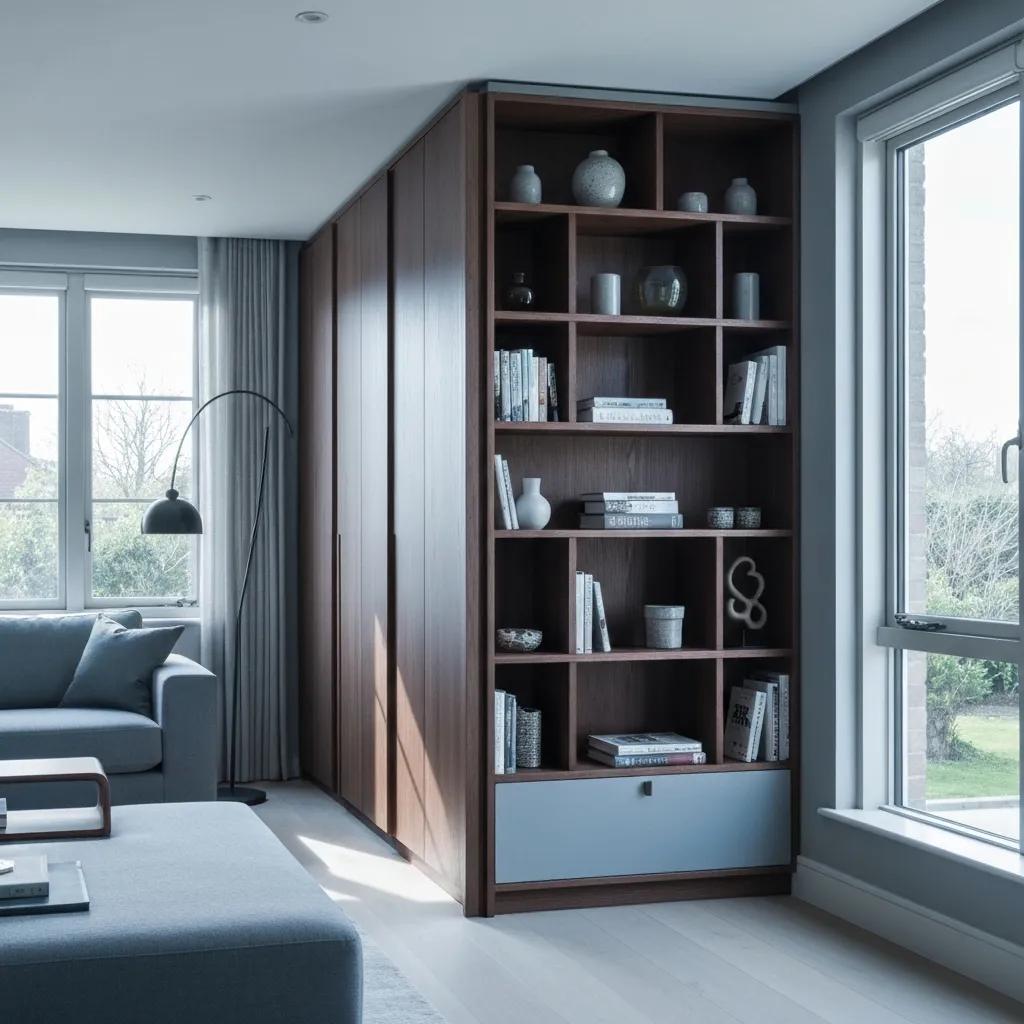
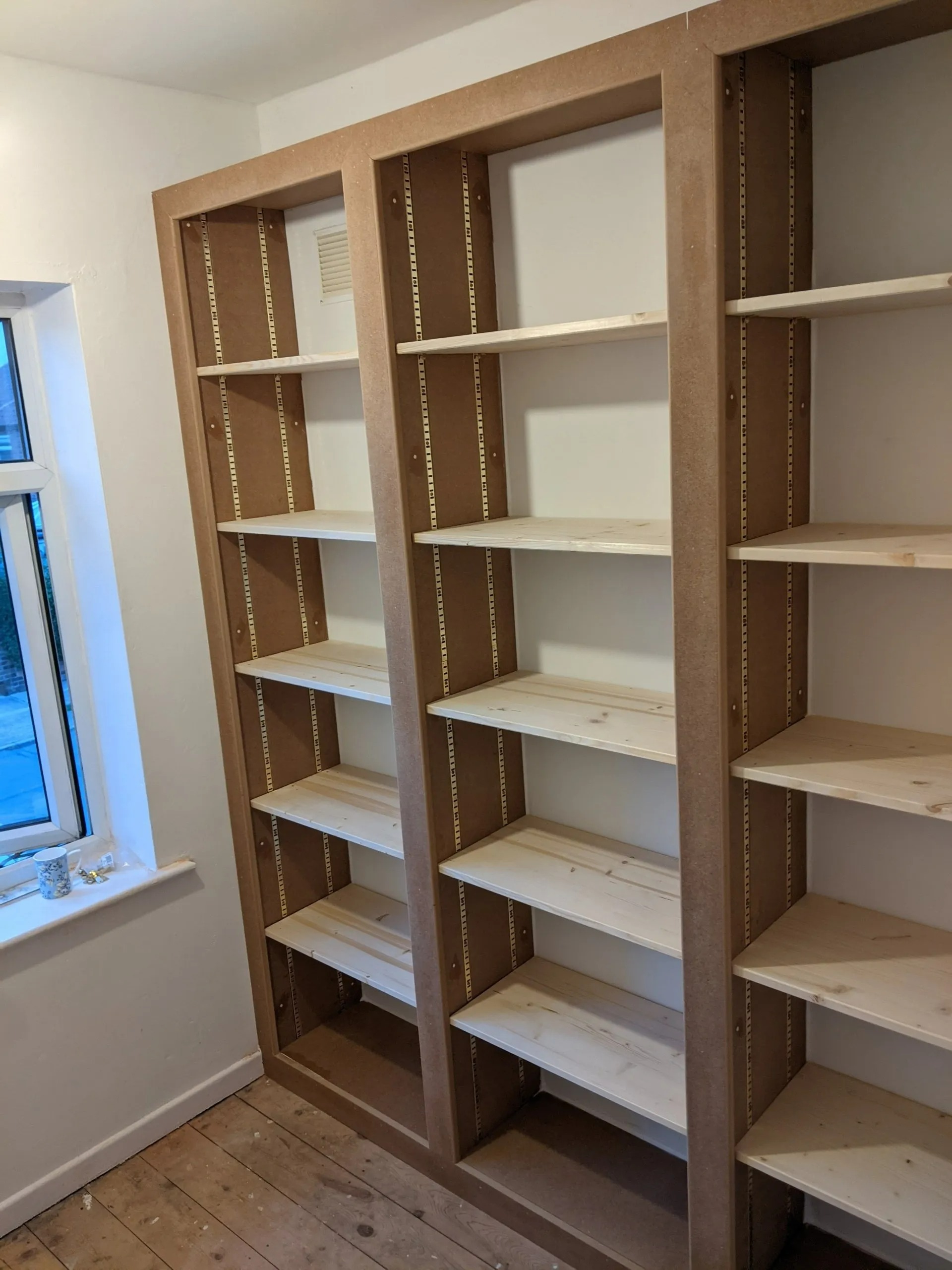
Custom bookcases and alcove units convert unused recesses into purposeful display and storage, combining open shelving for books and objects with cupboards to hide clutter. Shelving depth and spacing can be tailored to your collection or media, presenting items attractively while remaining functional. Alcove units can incorporate seating, desks or TV cabinetry to create visually pleasing focal points that suit room proportions and circulation. The right materials and finish integrate the unit with flooring and architectural details for a cohesive interior.
Practical choices include adjustable shelves for flexibility, backed panels for clean sightlines and optional integrated lighting to highlight displays. These considerations feed into the design options discussed next.
What design options are available for alcove units?
Alcove units can be open shelving, closed cabinetry, integrated window seating or a combination with drawers and concealed doors — each option has pros and cons. Open shelving reduces visual weight and showcases collections, while closed cabinetry keeps things tidy and dust‑free. Seating adds a multifunctional nook and can include under‑seat storage. Integrated lighting and decorative mouldings personalise the unit but affect cost and installation time.
Choose based on use: display‑led living rooms often favour open shelves with spot lighting, while family rooms may prioritise closed cupboards and seating for durability and child‑friendly storage.
How can bespoke home office furniture improve productivity?
Bespoke home office furniture boosts productivity by providing the right desk height, tailored storage for documents and integrated cable management for equipment. A custom desk can include pull‑out platforms for keyboards, filing drawers and discreet power and data channels to keep the workspace tidy. Storing frequently used items within reach reduces interruptions and supports focused work patterns. Good lighting and considered material choices also improve comfort for long sessions.
Designing a home office as part of a wider fitted solution — a wall of storage with an integrated desk — maximises floor space and creates a professional, low‑distraction environment.
What are the advantages of custom kitchen joinery and cabinets?
Custom kitchen joinery gives precise appliance integration, dedicated storage for cookware and the ability to use irregular wall runs efficiently. Made‑to‑measure carcasses and doors accommodate site irregularities and allow solutions such as vertical pantries, pull‑out larders and bespoke appliance surrounds. Compared with modular systems, bespoke joinery can use thicker materials, tighter tolerances and higher‑grade fittings for improved durability and long‑term performance. That means a kitchen tailored to both layout constraints and the homeowner’s workflow.
These practical benefits make bespoke kitchen joinery a strong choice where durability, exact fit and bespoke storage matter most.
Which wood types and finishes work best for bespoke fitted furniture?
Choosing materials balances appearance, durability and budget. Common options are oak, painted MDF and quality plywood. Oak is strong, shows a warm grain and can be refinished, making it suitable for heirloom pieces and traditional interiors. Painted MDF gives a smooth, economical finish that works well with contemporary profiles and colour choices. Plywood combines structural stability with veneer options and performs well where strength and minimal movement are required.
| Material | Durability & Maintenance | Typical Cost / Aesthetic |
|---|---|---|
| Oak | Very durable, can be refinished; occasional oiling or lacquer care | Higher cost, warm natural grain |
| Painted MDF | Low‑maintenance painted surface, easy to clean | Mid‑to‑lower cost, wide colour range |
| Plywood | Stable, strong carcass material; veneer finish options | Mid cost, ideal for structural elements |
In short: oak gives warmth and longevity, painted MDF offers flexibility and lower cost, and plywood provides structural stability. The following sections expand on oak and painted MDF in practice.
What are the benefits of oak fitted furniture?
Oak fitted furniture is hardwearing and long‑lasting, with a characterful grain that fits both traditional and contemporary schemes depending on finish. Solid oak elements can be sanded and refinished, extending the life of the installation and supporting sustainable repair rather than replacement. Oak’s natural hardness resists day‑to‑day wear, which suits kitchens, hallways and family living areas. Maintenance is straightforward — regular dusting and occasional oiling or lacquer care preserves the timber.
Although oak increases upfront cost, it often delivers long‑term value through durability and the option of restorative work, making it cost‑effective for many homeowners.
How do painted finishes and MDF compare for custom furniture?
Painted MDF provides a smooth, consistent surface that takes a wide range of colours and detailed profiles, so it’s a popular choice for contemporary fitted furniture. MDF offers a stable base for paint; modern coatings resist scuffs and are easy to clean, which suits kitchens, bedrooms and studies. Solid timber shows natural grain and can be refinished, but it ages differently and requires different care. Budget, desired finish and expected use should guide the choice between painted MDF and solid wood.
If you need frequent cleaning or bold colour choices, painted MDF is flexible; where natural character and longevity matter, solid timber such as oak may be the better option.
How does the bespoke fitted furniture process work from design to installation?
The process typically follows these stages: consultation, site survey and measurement, design and material selection, manufacture and finishing, then installation and handover. Working in stages reduces surprises, ensures accurate pricing and delivers a coordinated result because each phase builds on the previous one. Timelines vary with complexity — simple single‑unit installs can be completed in weeks, while full kitchens or multi‑room programmes take longer because of design approvals and manufacturing lead times. Clear communication about access, finishes and timings is essential for a smooth project.
Breaking the project into predictable milestones helps clients plan, and professional installers use protective measures and efficient workflows to minimise disruption on site.
What steps are involved in designing made‑to‑measure furniture?
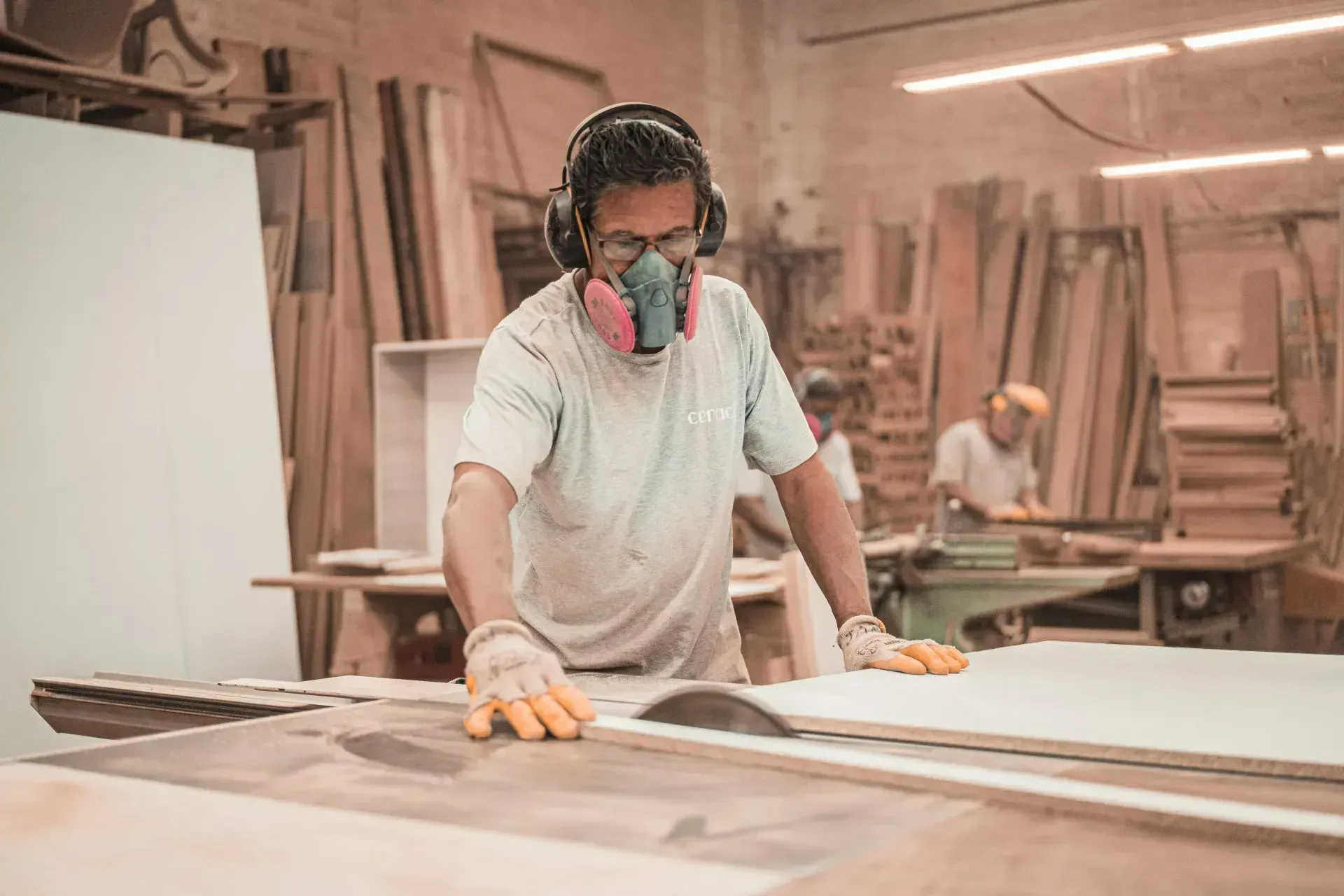
Designing made‑to‑measure furniture begins with an initial consultation to capture your brief and priorities, followed by a precise site survey to record irregularities and dimensions. Designers then prepare drawings — usually 2D elevations and sometimes 3D visuals — showing layout, internal fittings and finish samples for approval. Material and hardware choices are finalised before a detailed quotation and programme are issued. Once you sign off, skilled joiners manufacture components to the agreed specification.
Bringing inspiration photos, a clear list of storage priorities and an approximate budget helps the designer produce a proposal that matches expectations and speeds the approval process.
What can you expect during the installation of fitted furniture?
On installation day, installers protect floors and nearby surfaces, deliver components in sequence and assemble on site with final adjustments so doors and drawers run smoothly. Installations are typically staged: carcasses and structural elements first, then doors, mouldings and hardware, followed by trim and sealing. Installers complete finishing touches — fitting handles, making minor site adjustments — and carry out a client walkthrough to demonstrate function. A tidy, unobtrusive installation minimises disruption and leaves the room ready for immediate use after a short clean‑up.
JDS Property Maintenance and Development emphasises neat, unobtrusive installation as part of their service, coordinating site protection and efficient on‑site working to reduce disturbance and ensure a professional handover.
Common questions about bespoke fitted furniture in the UK
Clients often ask about lead times, return on investment and maintenance; clear answers help set realistic expectations before you commission work. Typical lead times from enquiry to installation range from a few weeks for simple units to several months for complex, multi‑room programmes. Bespoke fitted furniture often represents better long‑term value than repeatedly replacing off‑the‑shelf items because of its durability and tailored function. Maintenance depends on material: oak may need occasional oiling or polishing, painted MDF is cleaned gently, and hardware occasionally requires adjustment.
How long does it take to install fitted wardrobes?
From initial enquiry to completed installation, fitted wardrobe projects usually take several weeks to a few months depending on design complexity and factory lead times. A single wardrobe with straightforward doors and fittings can be surveyed, manufactured and installed in a few weeks, while more complex designs with integrated lighting, curved panels or multiple rooms increase lead times. On‑site installation for a single run normally takes one to a few days; larger projects are phased to maintain quality and accuracy. Planning for access, clearances and any remedial work helps avoid delays.
Knowing these timescales helps clients organise decorating or furniture moves accordingly.
Is bespoke fitted furniture worth the investment?
Bespoke fitted furniture is worth it when maximising usable space, achieving a coherent aesthetic and securing long‑term durability are priorities. Compared with inexpensive, mass‑produced pieces, well‑made joinery reduces replacement cycles, improves organisation and can raise perceived property value. The best returns are in high‑use areas such as kitchens, bedrooms and home offices where tailored storage noticeably improves day‑to‑day function. The choice balances upfront cost against longevity, everyday usability and a finished interior that enhances the whole property.
For many homeowners — especially those with awkward spaces or long‑term plans — bespoke joinery is practical value rather than an indulgence.
What maintenance is required for custom wooden furniture?
Maintenance varies by material and finish: regular dusting and gentle cleaning keep painted and timber surfaces in good order, while periodic hardware checks ensure smooth operation. Solid wood like oak benefits from occasional oiling or re‑lacquering depending on finish, and care with humidity and spills extends life. Painted MDF is low maintenance but should be cleaned with non‑abrasive products to avoid damage. Small touch‑ups, hinge adjustments and resealing edges when needed keep the installation functioning and looking good for years.
A simple routine — dust weekly, wipe with a soft cloth and carry out an annual hardware check — will keep bespoke joinery performing at its best.
For an accurate plan and a tailored proposal, request a free, no‑obligation quotation from JDS Property Maintenance and Development. Their local experience across Yorkshire, including Barnsley, York and Selby, ensures practical design advice and clear pricing to move projects forward.
- Request a free, no‑obligation quotation by providing room details, desired outcomes and any inspiration images.
- Expect a site survey to confirm dimensions and refine the design brief.
- Receive a detailed proposal outlining materials, finishes, internal fittings and a clear price estimate.
These final steps complete the planning process and give you the precise information needed to approve manufacture and schedule a neat, efficient installation.
Frequently Asked Questions
What is the typical lead time for bespoke fitted furniture projects?
Lead times vary with complexity. Simple projects, such as a single fitted wardrobe, can take a few weeks from consultation to installation. More intricate work, especially multi‑room schemes or bespoke features, can extend to several months. Discuss your specific needs with your supplier to get a tailored estimate for your project.
How can I ensure my bespoke furniture meets my needs?
Start by clearly defining your requirements during the initial consultation — storage needs, aesthetic preferences and the room’s function. Share inspiration images and a list of priorities to help the designer create a solution that works for you. Review sketches and material samples during the design phase to make sure the final product aligns with your vision and practical needs.
Are there any eco‑friendly options for bespoke fitted furniture?
Yes. Many makers offer sustainable choices such as reclaimed timber or certified wood from responsibly managed forests. Low‑VOC paints and finishes are also available to reduce environmental impact. Ask your supplier about eco‑friendly materials and practices when discussing your project.
What should I consider when choosing materials for my fitted furniture?
Consider durability, maintenance and aesthetics. Solid woods like oak are long‑lasting and refinishable, while painted MDF gives a smooth finish at lower cost. Think about the room’s usage — higher traffic areas need tougher materials — and how the material will sit with your existing decor and budget. Discuss these factors with your designer to make an informed choice.
Can bespoke fitted furniture increase my property’s value?
Yes. High‑quality, custom joinery improves functionality and visual appeal, making a home more attractive to buyers. Well‑designed storage enhances usability — a key selling point — and investing in bespoke furniture, especially in kitchens and bedrooms, can deliver a good return when selling.
What are the common mistakes to avoid when ordering bespoke furniture?
Common mistakes include unclear briefs, underestimating the importance of accurate measurements and failing to consider future needs. Not providing inspiration or priorities can lead to a result that doesn’t meet expectations. Pay attention to material selection and budget, and stay engaged in the design process to avoid surprises.
How do I maintain my bespoke fitted furniture?
Regular cleaning and periodic checks on hardware will keep fitted furniture in good condition. Dust wooden surfaces with a soft cloth and use suitable cleaners; solid wood may need occasional oiling or refinishing, while painted MDF should be cleaned with non‑abrasive products. Inspect hinges and drawer slides annually to ensure smooth operation and longevity.
Conclusion
Bespoke fitted furniture provides tailored solutions that maximise space, improve aesthetics and deliver lasting durability. Choosing custom joinery is an investment in a functional, cohesive interior that enhances your home or business. Take the next step by requesting a free, no‑obligation quotation from JDS Property Maintenance and Development and discover the difference expert craftsmanship can make to your everyday life.