Benefits of Custom Fitted Furniture for Small Spaces
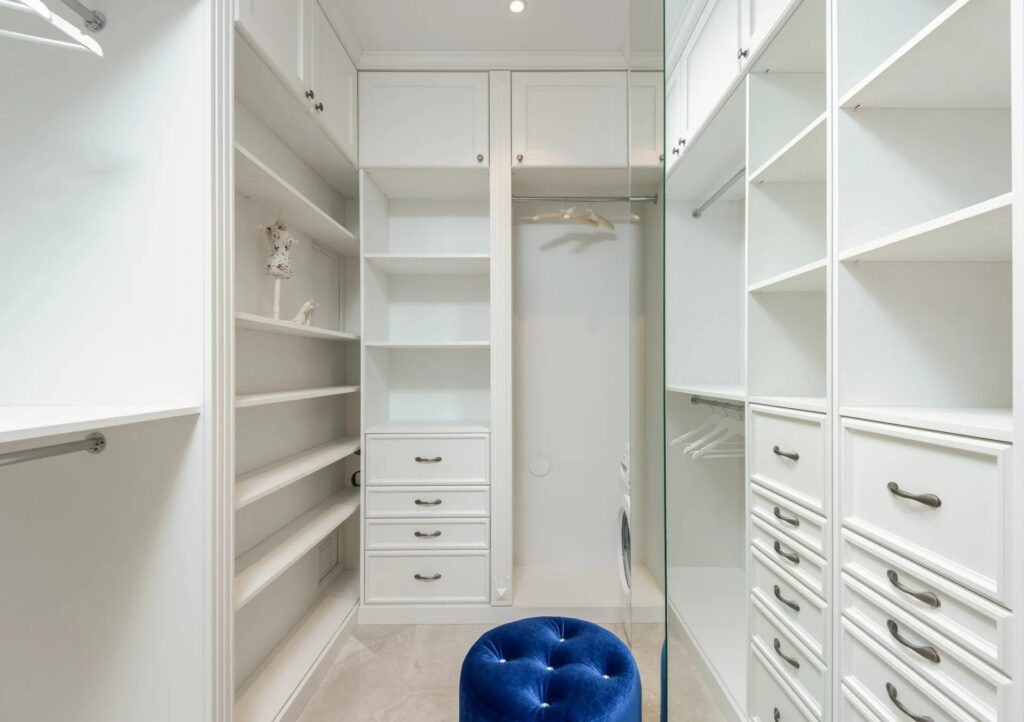
Custom fitted furniture is particularly advantageous for small spaces, as it maximizes every inch of available area. Tailored to fit specific dimensions, bespoke solutions can transform awkward corners and underutilized nooks into functional storage or stylish seating.
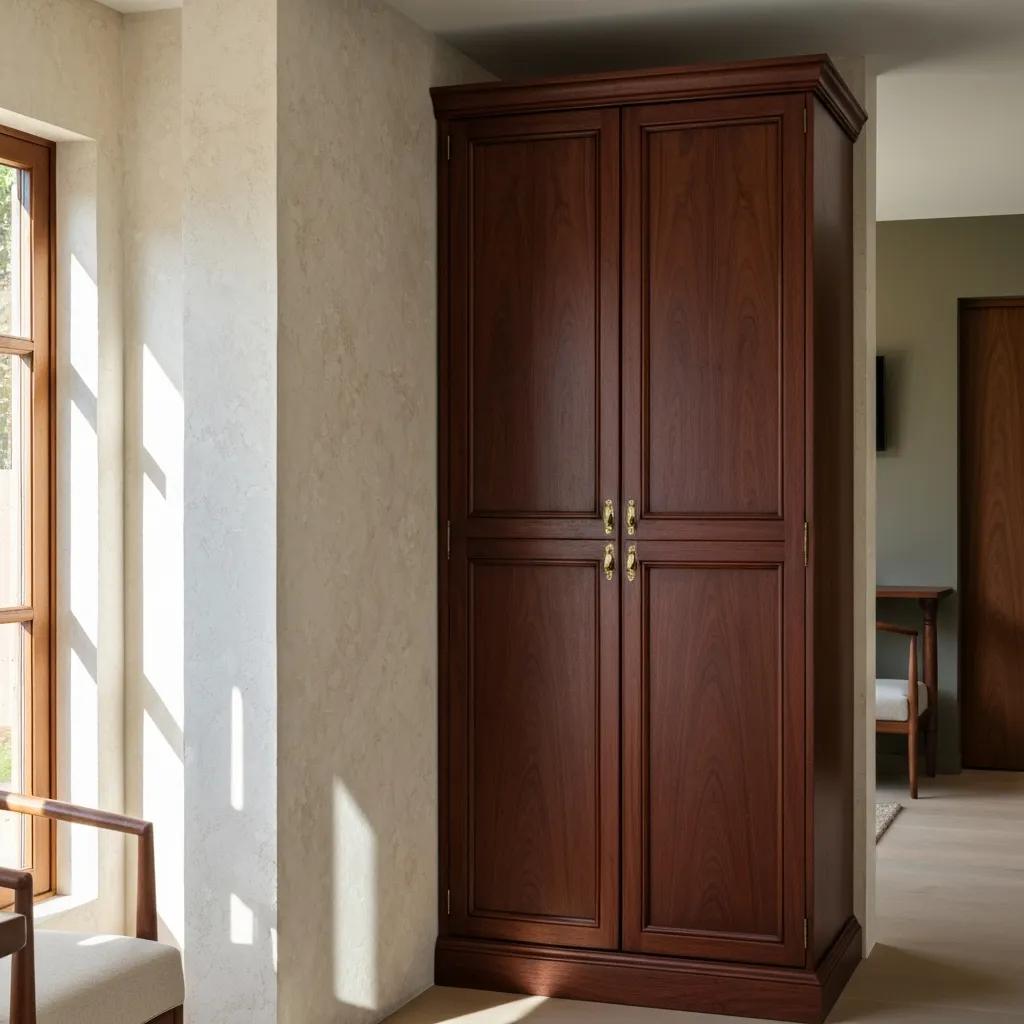
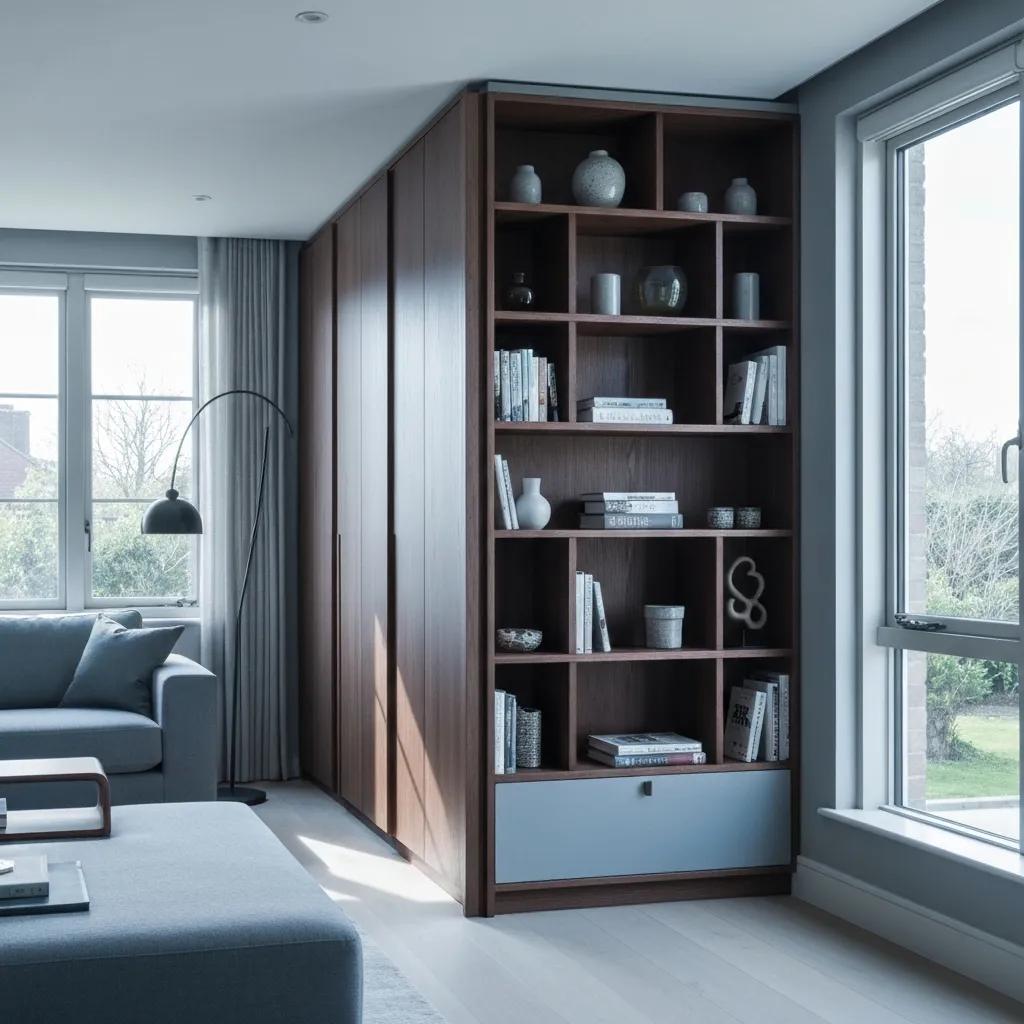
For example, built-in shelving units can be designed to extend from floor to ceiling, providing ample storage without compromising floor space. Additionally, custom wardrobes can be crafted to fit snugly into alcoves, offering a seamless look that standard furniture cannot achieve.
Choosing the Right Materials for Bespoke Furniture
The choice of materials is crucial when it comes to bespoke furniture, as it affects both aesthetics and durability. High-quality woods, such as oak or walnut, not only enhance the visual appeal but also ensure longevity, making them ideal for custom pieces.
Moreover, considering materials like plywood or MDF can be beneficial for specific projects, especially when budget constraints are a factor. Understanding the characteristics of various materials helps clients make informed decisions that align with their design vision and functional needs.
Design Trends in Bespoke Furniture for 2023
As design trends evolve, bespoke furniture reflects the latest styles and innovations. In 2023, there is a notable shift towards sustainable materials and minimalistic designs that prioritize functionality and simplicity, appealing to eco-conscious consumers.
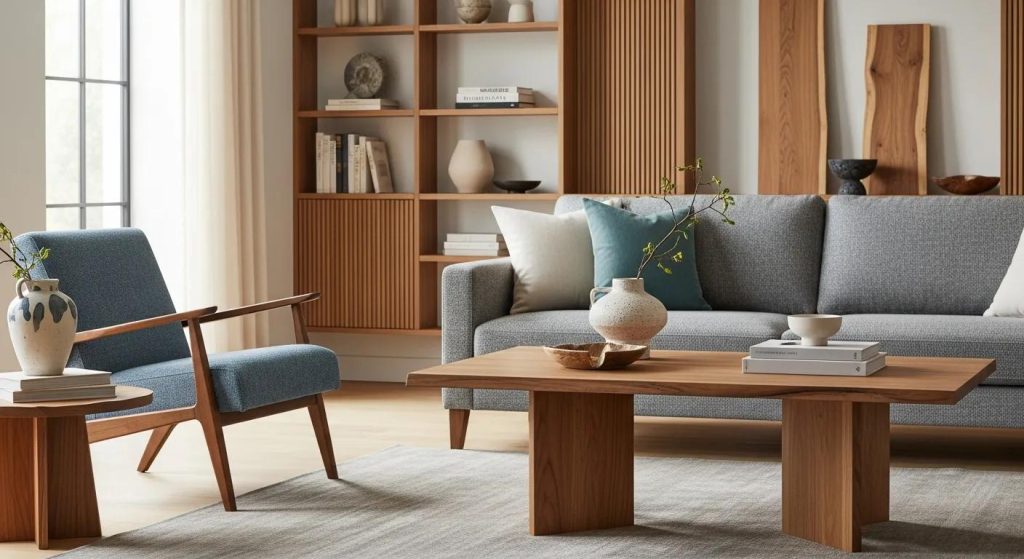
Incorporating natural finishes and organic shapes, bespoke furniture can create a harmonious and inviting atmosphere in any home. Designers are also focusing on multi-functional pieces that adapt to various needs, such as expandable dining tables or modular seating solutions.
The Process of Creating Custom Fitted Furniture
Creating custom fitted furniture involves a collaborative process between the client and the designer. It begins with an in-depth consultation to understand the client’s needs, preferences, and the specific dimensions of the space.
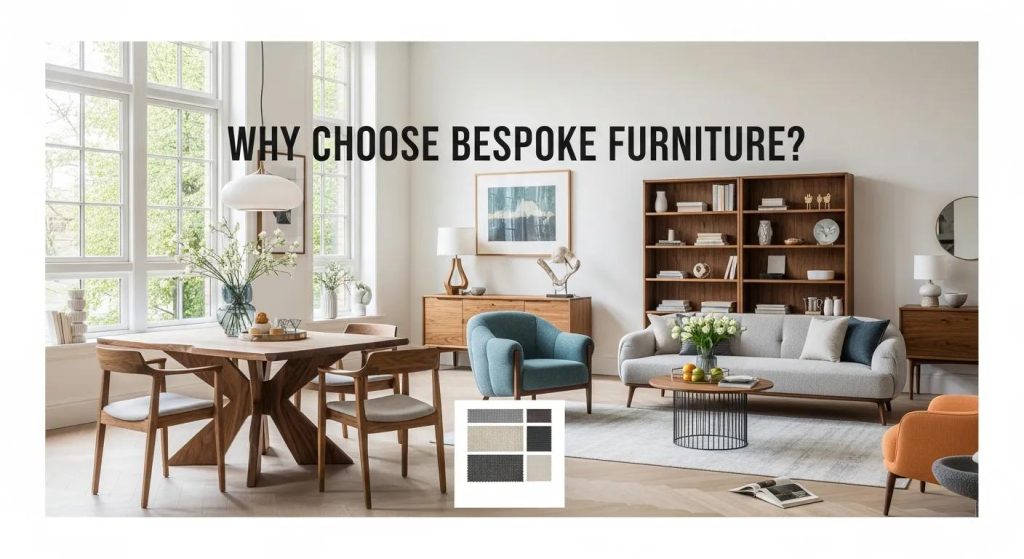
Following the initial discussion, designers often provide sketches and material samples, allowing clients to visualize the final product. Once approved, the construction phase begins, ensuring that every detail meets the client's expectations, resulting in a truly unique piece tailored to their home.
Benefits of Custom Fitted Furniture for Small Spaces
Custom fitted furniture is particularly advantageous for small spaces, as it maximizes every inch of available area. Tailored to fit specific dimensions, bespoke solutions can transform awkward corners and underutilized nooks into functional storage or stylish seating.
For example, built-in shelving units can be designed to extend from floor to ceiling, providing ample storage without compromising floor space. Additionally, custom wardrobes can be crafted to fit snugly into alcoves, offering a seamless look that standard furniture cannot achieve.
Choosing the Right Materials for Bespoke Furniture
The choice of materials is crucial when it comes to bespoke furniture, as it affects both aesthetics and durability. High-quality woods, such as oak or walnut, not only enhance the visual appeal but also ensure longevity, making them ideal for custom pieces.
Moreover, considering materials like plywood or MDF can be beneficial for specific projects, especially when budget constraints are a factor. Understanding the characteristics of various materials helps clients make informed decisions that align with their design vision and functional needs.
Design Trends in Bespoke Furniture for 2023
As design trends evolve, bespoke furniture reflects the latest styles and innovations. In 2023, there is a notable shift towards sustainable materials and minimalistic designs that prioritize functionality and simplicity, appealing to eco-conscious consumers.
Incorporating natural finishes and organic shapes, bespoke furniture can create a harmonious and inviting atmosphere in any home. Designers are also focusing on multi-functional pieces that adapt to various needs, such as expandable dining tables or modular seating solutions.
The Process of Creating Custom Fitted Furniture
Creating custom fitted furniture involves a collaborative process between the client and the designer. It begins with an in-depth consultation to understand the client’s needs, preferences, and the specific dimensions of the space.
Following the initial discussion, designers often provide sketches and material samples, allowing clients to visualize the final product. Once approved, the construction phase begins, ensuring that every detail meets the client's expectations, resulting in a truly unique piece tailored to their home.