Understanding the Different Wood Types for Joinery
Choosing the right type of wood is crucial for any joinery project, as it directly influences the durability, aesthetics, and functionality of the final product. Common wood types used in joinery include hardwoods like oak and maple, which offer strength and a beautiful grain, as well as softwoods like pine and cedar, which are lighter and easier to work with.
For instance, oak is often favored for its robustness and resistance to wear, making it ideal for furniture and cabinetry. On the other hand, pine is a cost-effective choice for projects where budget is a consideration, such as temporary structures or children's furniture. Understanding these options helps homeowners make informed decisions tailored to their specific needs.
Innovative Joinery Techniques for Modern Woodworking
Modern joinery techniques have evolved to incorporate advanced methods that enhance both the aesthetic appeal and structural integrity of woodwork. Techniques such as dovetail joints, mortise and tenon, and finger joints are popular for their strength and durability, while also adding a touch of craftsmanship to the finished piece.
For example, dovetail joints are often used in drawer construction due to their resistance to pulling apart, making them a preferred choice among professional woodworkers. These innovative techniques not only improve the quality of the work but also allow for creative designs that can elevate any woodworking project.
Maintenance Tips for Bespoke Woodwork
Proper maintenance is essential to ensure the longevity of bespoke woodwork. Regular cleaning and conditioning can prevent damage from moisture and dust, while also preserving the natural beauty of the wood. Using appropriate cleaning agents and avoiding harsh chemicals will help maintain the finish and structural integrity of your wooden pieces.
For instance, applying a wood conditioner every few months can help protect against drying and cracking, especially in climates with significant temperature fluctuations. Additionally, ensuring that your bespoke furniture is placed away from direct sunlight can prevent fading and warping, keeping it looking new for years to come.
Custom vs. Ready-Made Furniture: Making the Right Choice
When it comes to furnishing your home, the choice between custom and ready-made furniture can significantly impact both aesthetics and functionality. Custom furniture is tailored to your specific needs and preferences, allowing for unique designs that fit perfectly into your space.
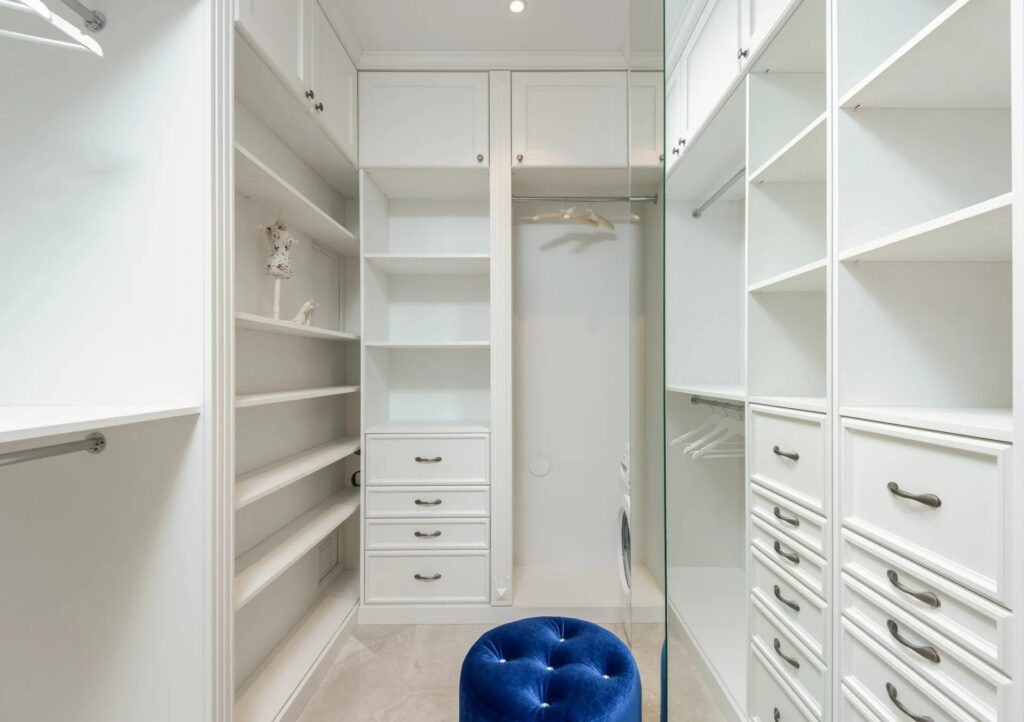
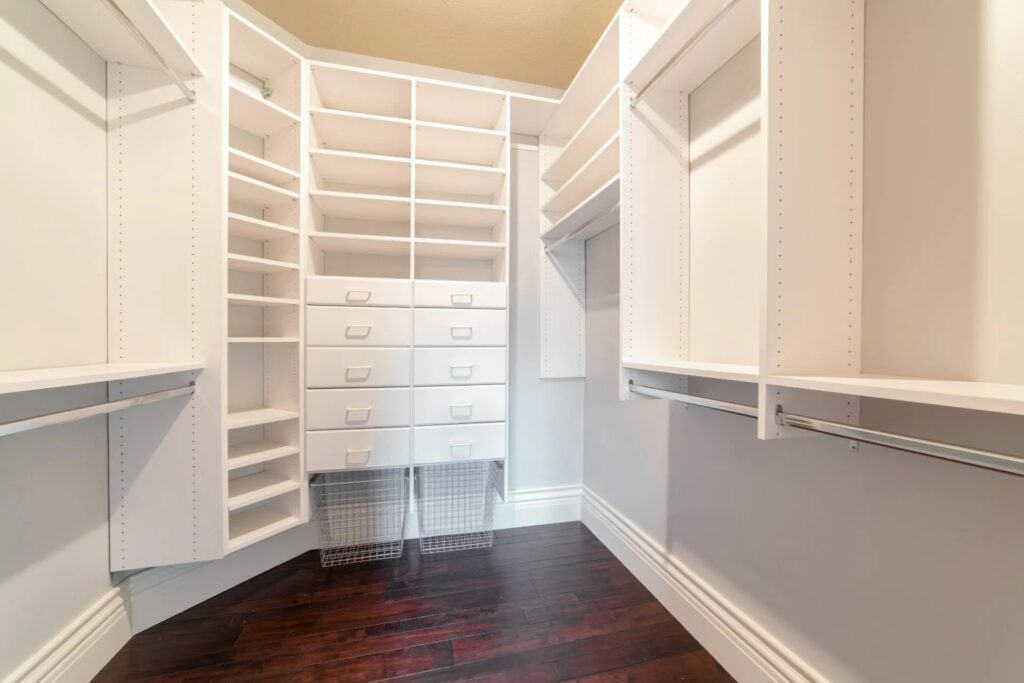
In contrast, ready-made furniture offers convenience and often a lower price point but may lack the personal touch and perfect fit that custom pieces provide. For example, a custom-built wardrobe can be designed to utilize every inch of space effectively, while ready-made options may leave gaps or not align with your room's dimensions. Ultimately, the decision should reflect your style, budget, and the specific requirements of your living space.
Understanding the Different Wood Types for Joinery
Choosing the right type of wood is crucial for any joinery project, as it directly influences the durability, aesthetics, and functionality of the final product. Common wood types used in joinery include hardwoods like oak and maple, which offer strength and a beautiful grain, as well as softwoods like pine and cedar, which are lighter and easier to work with.
For instance, oak is often favored for its robustness and resistance to wear, making it ideal for furniture and cabinetry. On the other hand, pine is a cost-effective choice for projects where budget is a consideration, such as temporary structures or children's furniture. Understanding these options helps homeowners make informed decisions tailored to their specific needs.
Innovative Joinery Techniques for Modern Woodworking
Modern joinery techniques have evolved to incorporate advanced methods that enhance both the aesthetic appeal and structural integrity of woodwork. Techniques such as dovetail joints, mortise and tenon, and finger joints are popular for their strength and durability, while also adding a touch of craftsmanship to the finished piece.
For example, dovetail joints are often used in drawer construction due to their resistance to pulling apart, making them a preferred choice among professional woodworkers. These innovative techniques not only improve the quality of the work but also allow for creative designs that can elevate any woodworking project.
Maintenance Tips for Bespoke Woodwork
Proper maintenance is essential to ensure the longevity of bespoke woodwork. Regular cleaning and conditioning can prevent damage from moisture and dust, while also preserving the natural beauty of the wood. Using appropriate cleaning agents and avoiding harsh chemicals will help maintain the finish and structural integrity of your wooden pieces.
For instance, applying a wood conditioner every few months can help protect against drying and cracking, especially in climates with significant temperature fluctuations. Additionally, ensuring that your bespoke furniture is placed away from direct sunlight can prevent fading and warping, keeping it looking new for years to come.
Custom vs. Ready-Made Furniture: Making the Right Choice
When it comes to furnishing your home, the choice between custom and ready-made furniture can significantly impact both aesthetics and functionality. Custom furniture is tailored to your specific needs and preferences, allowing for unique designs that fit perfectly into your space.
In contrast, ready-made furniture offers convenience and often a lower price point but may lack the personal touch and perfect fit that custom pieces provide. For example, a custom-built wardrobe can be designed to utilize every inch of space effectively, while ready-made options may leave gaps or not align with your room's dimensions. Ultimately, the decision should reflect your style, budget, and the specific requirements of your living space.