Why Bespoke Furniture Is Better Than Standard Designs for UK Homes
Bespoke furniture is made-to-measure joinery built to fit a particular space, purpose and look. Unlike mass-produced items, it prioritises precise fit and craft, so it works with your room — not around it. This guide explains how custom furniture gives better use of space, stronger build quality and greater long-term value for UK homeowners. We cover common material and design choices, practical ways to solve awkward layouts like alcoves and sloping ceilings, and how to judge cost versus lifetime value. You’ll see real examples — made-to-measure wardrobes, fitted bookcases and more — and get clear comparisons (for example, oak versus painted MDF) so you can decide what’s right for your home. Finally, we explain how JDS Property Maintenance and Development (JDS Property) can help with free quotes and on-site consultations for fitted furniture.
What are the main benefits of bespoke furniture compared with standard pieces?
Bespoke furniture brings measurable advantages because it matches design, materials and build to your exact needs. That means more usable storage, better durability and pieces that suit your home’s style. The key factors are accurate surveying and fitting, higher-grade materials and skilled joinery, and design flexibility that turns awkward spaces into useful storage. The result is maximised capacity, longer life, a unique look and less need to replace items early. Below is a quick summary of the principal benefits for easy reference.
Bespoke furniture delivers these core benefits:
- Tailored fit and space optimisation: measured and installed to the millimetre to remove wasted gaps.
- Superior build quality and durability: quality materials and robust joinery for longer service life.
- Distinctive design and personalisation: finishes, hardware and layouts that suit your taste.
- Improved function and storage: internal layouts designed for how you live.
These benefits lead into practical examples showing how a precise fit resolves common architectural issues and why choice of materials and joinery matter for longevity.
Introductory table: this table compares benefit categories, how they work and typical results so you get a quick, practical view before the detailed examples.
Why these benefit categories matter:
| Benefit Category | How It Works | Typical Outcome |
|---|---|---|
| Tailored Fit | Made-to-measure design and careful installation | Removes gaps and increases usable storage |
| Durability | Higher-grade timber and skilled joinery | Longer lifespan, fewer repairs or replacements |
| Personalisation | Custom finishes, fittings and internal layouts | Consistent look and targeted functionality |
| Functionality | Purpose-built internal fittings and layouts | Better organisation and everyday usability |
How does bespoke furniture deliver a tailored fit and better space use?
A tailored fit means designing around the room’s true shape so every millimetre works for you. Made-to-measure wardrobes, alcove units and fitted shelving exploit floor-to-ceiling space and accommodate irregular features — bay windows, sloping ceilings or chimney breasts — turning wasted voids into organised storage. The process begins with a careful site survey and measurements, then a design that puts access and function first, avoiding the compromises standard modules force. Examples include wardrobes with dedicated shoe and accessory zones and bookcases that follow a chimney-breast profile — both add storage without changing the room’s footprint. Once the layout is set, choosing the right materials and construction keeps the solution looking and performing well for years.
Why is custom-made furniture stronger and higher quality?
Custom pieces reach a higher standard because craftsmen choose appropriate materials, use proven joinery and apply hands-on quality control during making and fitting. Visible elements often use hardwoods like oak; painted finishes sit on stable substrates such as MDF for a smooth result. Hardware — soft-close runners, dovetailed drawers and quality hinges — adds longevity. Traditional and modern joinery (mortise-and-tenon, dovetail, concealed fixings) creates structural strength that outlasts the basic mechanical fastenings found in cheap, mass-produced furniture. The upshot is fewer replacements and a better long-term cost profile for homeowners, which we explore further in the investment section.
How does bespoke furniture reflect your style and design vision?
Bespoke joinery lets you match materials, finishes and fittings to your home and taste, so the result feels intentional. Options range from timber choices and colour finishes to hardware and moulding profiles; these let a piece sit comfortably in a period interior or anchor a contemporary scheme. For example, an oak bookcase left with a natural oil finish will add warmth, while painted MDF cabinets give clean lines and a uniform surface. Designers combine material character, finish and fittings to meet both practical and aesthetic goals — the result fits the room rather than looking like an add-on. The next section lists common design choices and where compromises may lie.
Before the materials table, consider these common design choices:
- Material: natural hardwoods for grain and repairability, or painted substrates for a smooth, modern finish.
- Finish: oil, lacquer, stain or paint to control look and upkeep.
- Hardware and fittings: handles, hinges and organisers that affect everyday use and lifespan.
These choices shape both appearance and maintenance, so we follow with a focused look at material trade-offs.
What design options and materials can you choose for bespoke furniture?
Picking materials balances look, durability and cost. Oak and other hardwoods show natural grain and stand up well to wear — ideal for doors, shelves and exposed cabinetry. Painted MDF provides a flawless surface for crisp, contemporary profiles. Hardware selection (soft-close hinges, quality runners, adjustable shelving fittings) affects usability and longevity, while internal fittings like pull-out trays and shoe racks improve daily function. When deciding, think about how often the piece will be used, the finish you want and how you’ll maintain it: hardwood can be repaired and refinished, whereas painted surfaces are easy to touch up but show dents differently. With these factors clear, you can tackle awkward spaces using practical strategies described next.
The principles of modularity and spatial efficiency are central to creating functional furniture, especially in smaller homes.
Designing furniture for compact living: modularity and spatial efficiency
Limited space in urban homes can make everyday life feel cramped. This research explores practical solutions: furniture that creates personal zones, adapts as needs change and uses modular components to increase flexibility. The design process combines material tests, prototyping and user feedback to develop pieces that balance function and wellbeing. Simple joinery and modular elements keep production practical while improving adaptability in tight layouts.
Behind the Furniture; Exploring designs that shape personal spaces, 2024
How can bespoke joinery solve awkward or unusual spaces?
Bespoke joinery adapts to eaves, sloping ceilings, bay windows and narrow halls by becoming part of the architecture rather than fighting it. Solutions include angled units that follow a roofline, tapered shelving for recesses and slim, tall cupboards for narrow corridors that preserve circulation. A basic measurement checklist — note height changes, skirting and radiator positions, door swings and any obstructions — ensures the design accounts for real constraints from the start. Practical examples include under-stair pull-out drawers for shoes and hidden ottoman storage beneath bay-window seating. Custom pieces multiply usable capacity while keeping the room visually coherent, which feeds naturally into why bespoke is a sensible long-term investment.
Why is investing in bespoke furniture a smart long-term choice for UK homeowners?
Think of bespoke furniture as a made-to-measure asset: it improves daily life and can make a property more appealing to buyers. Higher-quality materials and construction mean less frequent replacement, and fitted solutions read as a cared-for, practical interior — something buyers value. Installations such as fitted wardrobes, integrated kitchens and bespoke bookcases add both practical and perceived value without chasing short-lived trends. The table below compares bespoke, standard and hybrid approaches to help you see where value builds over time.
Introductory paragraph to cost/value table: this table helps homeowners compare upfront cost and lifecycle factors so they can judge true cost-per-year rather than headline price alone.
| Option | Upfront Considerations | Expected Long-Term Outcome |
|---|---|---|
| Bespoke | Higher initial cost, tailored installation | Longer lifespan, fewer repairs or replacements, better functionality |
| Standard | Lower purchase price, fixed module sizes | Shorter useful life, more frequent replacement and potential gaps |
| Hybrid (custom fronts on modular carcasses) | Moderate cost, faster lead time | Improved look with some trade-offs in fit and durability |
This comparison shows long-term value depends on lifespan and functionality as much as initial price, leading into examples of how bespoke features can boost property appeal.
How does bespoke joinery increase property value and longevity?
Bespoke joinery improves appeal by creating considered storage and integrated design that fits the home’s proportions and character. Buyers often appreciate built-in storage and fitted kitchens because they indicate a well-maintained, practical property. Bespoke pieces are also adaptable — timber doors can be sanded and refinished, hardware upgraded and interiors reconfigured — whereas low-cost flat-pack items usually need full replacement. Those durability and appeal benefits support the investment case and lead into a true cost comparison of upfront price versus lifetime expense.
What is the true cost comparison between bespoke and off-the-shelf furniture?
A true comparison looks beyond purchase price to include installation, maintenance and replacement over a reasonable ownership period. Bespoke pieces cost more up front but often have a lower annualised cost thanks to longer life and repairability. Off-the-shelf furniture is cheaper initially but may incur replacement and disposal costs over time. When you calculate cost-per-year, estimate lifespan, likely repairs and whether the item will meet changing needs; hybrid options (custom fronts on standard carcasses) can reduce cost while improving appearance. Understanding these trade-offs helps you choose a solution that fits budget, long-term plans and sustainability goals — and sets up the practical fitted-furniture techniques that follow.
How does bespoke fitted furniture maximise space and storage efficiency?
Made-to-measure fitted furniture increases storage by using vertical space, creating purpose-built internal layouts and adding multifunctional features that suit daily life. Start by identifying the problem — wasted alcoves, awkward corners or mismatched shelf heights — then apply tactics like floor-to-ceiling units, bespoke drawer depths and hidden compartments. The result: more storage without enlarging rooms, better organisation and easier access. Below are common space-saving techniques used in fitted joinery to give you practical ideas.
Space-maximising techniques include:
- Floor-to-ceiling units to use vertical volume and avoid wasted headroom.
- Custom drawer depths and pull-outs sized for shoes, linens or electronics.
- Integrated multifunctional items — fold-away desks, ottoman storage and hidden surfaces.
These techniques tie into specific advantages for wardrobes and bookcases, which the next subsections cover with a short comparison.
Intro paragraph to wardrobe/bookcase table: this table compares typical fitted solutions, their storage features and the rooms they suit to help you choose the best approach.
| Fitted Solution | Storage Characteristic | Best Use Case |
|---|---|---|
| Made-to-measure wardrobe | Hanging space plus configurable drawers and organisers | Master and guest bedrooms with irregular walls |
| Built-in bookcase | Adjustable shelving with options for concealed storage | Living rooms and home offices for display and neat storage |
| Alcove units | Tailored depth and stepped shelving to match recesses | Small rooms or chimney-breast areas needing a precise fit |
Picking the right fitted solution helps match storage to room function and flow. Next, we look at wardrobe benefits in more detail.
What are the advantages of made-to-measure wardrobes and storage units?
Made-to-measure wardrobes give more usable space by matching hanging heights, shelf and drawer depths to your clothing and habits, eliminating wasted vertical or horizontal space. Internals can include shoe racks, tie organisers, adjustable shelves and dedicated laundry or linen areas to create a system that fits your routine. Door choices — sliding for tight spaces or hinged for full-depth access — and quality hardware improve day-to-day use. Bespoke wardrobes turn cluttered bedrooms into organised spaces and show how tailored storage makes a real difference.
How do bespoke bookcases and shelving improve home organisation?
Custom bookcases let you combine open and closed storage to display books and objects while hiding clutter behind doors or drawers. Adjustable shelves cope with changing collections; built-in cabinets or desks can turn a single run of joinery into a multifunctional wall for work and display. A thoughtful mix of display and concealed storage keeps interiors calm and practical — labels, dividers and dedicated bays make everyday retrieval simple. These organisation gains also support sustainability by encouraging repair and reuse instead of disposal.
Is bespoke furniture a sustainable, responsible choice?
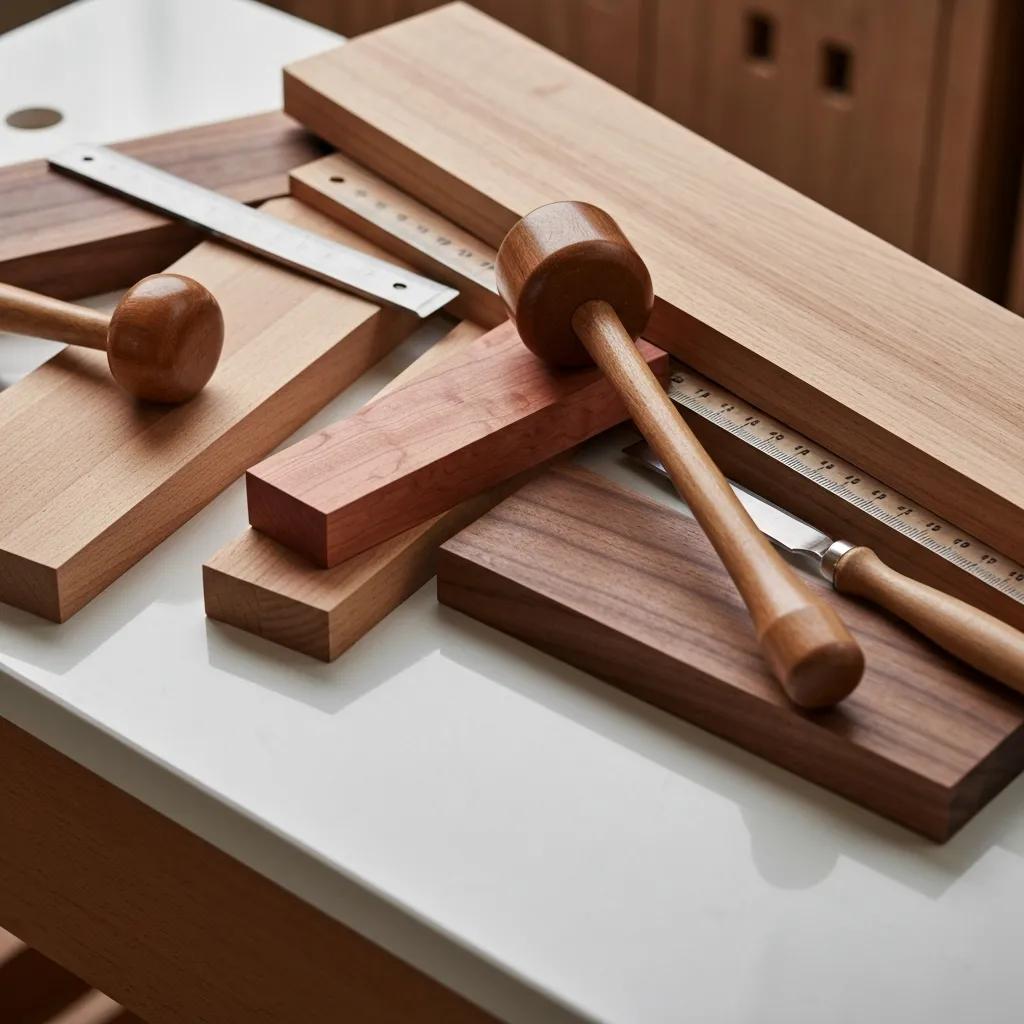
Yes — bespoke furniture can be a more sustainable option when it prioritises durable materials, local manufacture and designs that support repair and reuse. The sustainability benefits come from choosing responsibly sourced timber, reducing replacement frequency through longevity and making items easy to repair so they stay in use rather than heading to landfill. Designing for adaptability — removable panels, upgradeable hardware and modular internals — extends useful life and cuts lifecycle impacts compared with short-lived mass-market furniture. Below are the main sustainability advantages to consider.
Sustainability advantages include:
- Longevity reduces demand by lowering replacement frequency.
- Local manufacture and responsible sourcing reduce transport and embodied impact.
- Repairability and modular upgrades support reuse and reduce waste.
These points lead into a closer look at material impacts and how sustainable choices affect quality and upkeep.
How do sustainable materials affect bespoke furniture quality?
Choosing sustainably sourced hardwoods and responsibly produced engineered boards affects both environmental footprint and performance. Certified timber comes with traceability and is often better milled and seasoned, so boards are more stable and less prone to warping. Material choice also influences finish and maintenance: natural oils suit solid timber and make refreshes simple, while painted MDF can offer durable, low-toxicity finishes but needs different repair approaches. If sustainability matters, ask for repair-friendly details and reversible fixings so quality and responsibility work together.
Why does longer lifespan reduce environmental waste?
Longer lifespan cuts environmental waste because durable, repairable pieces stay in use longer and need fewer replacements. Designing for maintainability — replaceable hardware, refinishable surfaces and accessible joints — makes it easier to update or refurbish rather than discard, supporting circular principles. Simple maintenance tips (control humidity, re-oil timber and service sliding hardware) prolong life and delay replacement, reducing embodied carbon and landfill. Prioritising durability and maintainability ties environmental responsibility to everyday homeowner practice and points to local specialists who can help implement these choices.
What makes JDS Property a trusted choice for bespoke furniture in South Yorkshire and across the UK?
JDS Property Maintenance and Development (JDS Property) is a UK-based team specialising in joinery, carpentry and bespoke fitted furniture. We work nationwide and have a local presence in Selby, North Yorkshire. Our services cover fitted wardrobes, bookcases, alcoves, seating, shelving, ottomans, storage chests, doors, beds, kitchens, tables and chairs alongside general joinery, garden joinery and property maintenance. We focus on made-to-measure solutions that suit your brief, quality craftsmanship, space planning and dependable delivery — and we offer free quotations and consultations to help you plan a project. If you’re ready to explore bespoke options, our enquiry process starts with a conversation and can move to an on-site assessment and a tailored proposal.
Introductory list: key service highlights summarising what JDS Property offers
- Made-to-measure bespoke fitted furniture across a wide product range.
- High-quality craftsmanship using durable materials and skilled joinery.
- Nationwide service with a local focus in Selby, North Yorkshire, Selby and Upper Cumberworth.
This summary explains the practical steps to request a quote and leads into our quality and consultation process.
How does JDS Property ensure reliable craftsmanship and customer satisfaction?
We tailor every project to your brief and the realities on site, checking measurements and practical constraints before production. Our approach blends woodworking, joinery and carpentry skills to deliver fitted wardrobes, bookcases and kitchen elements that maximise space and match your interior. To ensure satisfaction we offer free quotations and a consultation to review scope and options before any work begins. Get in touch to discuss ideas and arrange an assessment so we can prepare a clear, tailored proposal.
How can you get a free bespoke furniture consultation and quote?
To request a free consultation, prepare a short description of the project — room type, approximate dimensions and key goals — then contact the company to arrange an initial discussion. The usual process is: an initial enquiry, an on-site visit for accurate measurements and notes, a design proposal that outlines options and materials, and a formal quote for the agreed scope. Use the consultation to explore material choices, internal layouts and finishes so the final proposal reflects both style and function. These steps ensure you receive a tailored estimate and a clear plan before committing to work.
Frequently asked questions
What is the typical lead time for bespoke furniture projects?
Lead times vary with design complexity and material availability, but most projects take around 4–12 weeks from first consultation to final installation. That window covers design sign-off, material sourcing and manufacture. During your consultation we’ll confirm a realistic schedule so the work fits your timetable and any deadlines you have.
How do I maintain bespoke furniture to keep it looking its best?
Regular cleaning and occasional care will keep bespoke furniture performing well. For timber surfaces use a soft cloth and appropriate cleaner; apply oil or wax as recommended to protect finishes. Upholstery benefits from regular vacuuming and prompt attention to spills. Follow any care notes provided and consider periodic professional maintenance for moving parts and hardware to extend the life of your pieces.
Can bespoke furniture be adapted or modified later on?
Yes — adaptability is a major advantage of bespoke work. Many designs include modular elements or removable components so you can alter layouts as needs change. Adjustable shelving, interchangeable hardware and upgradeable fittings make future changes straightforward. Discuss any likely future needs during the initial design so we can build in flexibility from the start.
What types of materials are commonly used in bespoke furniture?
Bespoke furniture uses a wide range of materials depending on the look and function required. Common choices are hardwoods like oak and walnut for durability and character, and engineered boards such as MDF for smooth painted finishes. Sustainable options like bamboo or reclaimed timber are increasingly popular for environmentally conscious projects. Material choice depends on desired appearance, use and budget — your designer will help you decide.
How does bespoke furniture support sustainability?
Bespoke furniture can be more sustainable by favouring durable materials, local manufacture and repairable construction. Longer-lasting pieces mean fewer replacements, and locally made items reduce transport emissions. Designing for repair and upgradeability helps keep furniture in use rather than in landfill, aligning with circular-economy principles and lowering environmental impact over time.
What should I consider when budgeting for bespoke furniture?
When budgeting, think beyond the headline price. Consider material quality, design complexity and craftsmanship — these affect longevity and value. Factor in potential long-term savings from reduced replacement and better functionality. Additional options like special finishes or premium hardware will affect cost, so be open about budget from the start to get a solution that delivers the best value for your investment.
Conclusion
Choosing bespoke furniture over standard designs gives you tailored solutions that maximise space, improve durability and reflect your personal style. It’s an investment that enhances everyday living and can add lasting value to your home. By choosing quality craftsmanship and sustainable materials, you ensure furniture that remains useful and attractive for years. If you’d like to discuss a project, JDS Property offers a free consultation to help bring your ideas to life.